Foundation and forming
The Lodge
Identity & Philosophy
Vitruvian Lodge places education, personal growth, and strong brotherhood at the center of our work: lectures at every stated meeting, accountability from brothers, and formal festive boards in the tradition of our ancestors.
Observant Freemasonry
Observant-style Freemasonry - often referred to as Traditional Observance (TO), is an approach to the Craft centered on solemnity, intentionality, and philosophical depth. Rather than treating lodge meetings as casual business sessions, observant lodges emphasize strict ritual excellence, formal dress (such as dark suits or tuxedos), and a contemplative atmosphere often enhanced by candlelight, incense, and silence. Substantive Masonic education replaces routine administrative work, and meetings typically culminate in a Festive Board. Ultimately, the movement seeks to restore the experience that defined historical craft lodges, prioritizing depth of engagement over sheer membership numbers.
Put simply, Vitruvian is focused on education, personal growth, and a deep connection between brothers. To develop these aspects of Freemasonry, we minimize time spent on administrative business, fundraising, and lodge politics. In fact, our vision is for a business meeting to contain a maximum of 15 minutes spent on business, freeing the rest of the time for learning, accountability, and fellowship.
The Vitruvian Name
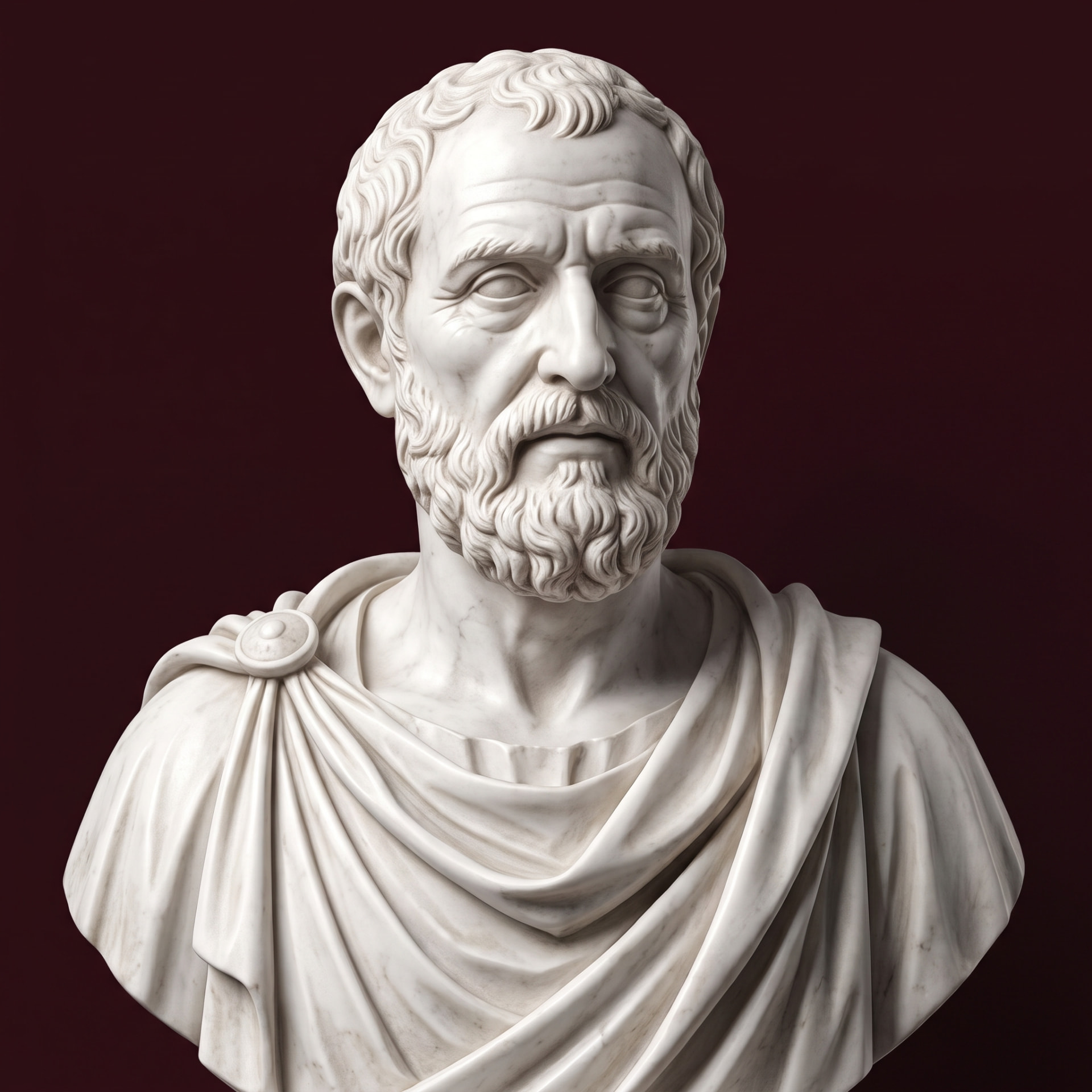
Naming the lodge Vitruvian anchors it directly to the ancient foundational philosophy of sacred architecture and operative craftsmanship. In his treatise De Architectura, the Roman architect Vitruvius established the triad of firmitas, utilitas, and venustas (strength, utility, and beauty). These are principles that mirror Freemasonry’s own central virtues of Wisdom, Strength, and Beauty - reminding the Mason that personal character must be built to be as enduring and harmonious as a temple.
He also taught that architecture must derive its proportions from the ideal symmetry of the human body, an idea immortalized during the Renaissance by Leonardo da Vinci in his celebrated drawing The Vitruvian Man. Da Vinci rendered Vitruvius’s geometric canon by circumscribing the upright human figure simultaneously within a circle (symbolizing the divine, spiritual realm) and a square (symbolizing the earthly, material world) - the very tools and geometries of the compasses and square.
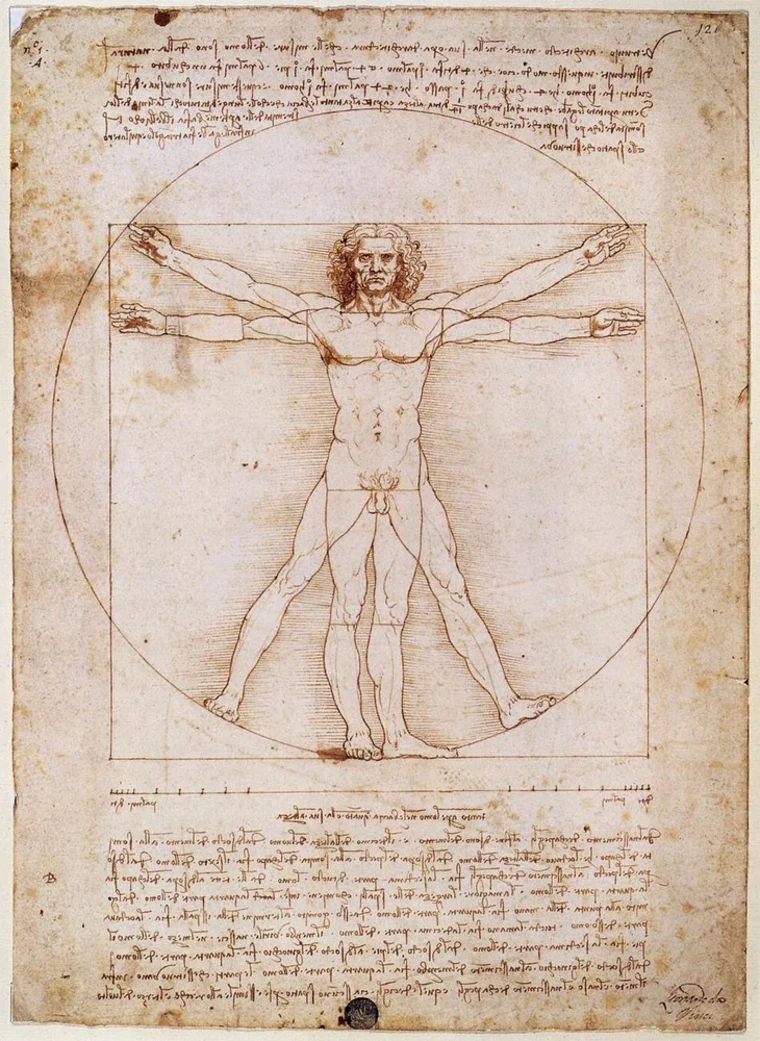
For our lodge interest group, adopting the name Vitruvian was an intentional declaration of purpose: honoring the ancient craft of building, pursuing intellectual and philosophical light, and striving to square one’s life by harmonizing the divine spirit with worldly duty.